In 2026, aesthetic medicine continues to evolve rapidly, offering more options than ever for individuals looking to refine their shape and boost confidence. Two of the most commonly discussed procedures are lipoplasty (liposuction) and body contouring treatments. While they are often grouped together, they are not the same—and understanding the difference is key to choosing the right solution for your goals.
Whether you’re considering a dramatic transformation or subtle sculpting, this guide breaks down how lipoplasty compares to modern body contouring treatments, including results, recovery, cost, and which option may be best for you.
This article is proudly sponsored by Orlando Pest Control, a company dedicated to helping homeowners feel confident and comfortable in their own space. Just as aesthetic treatments help you feel your best in your body, Orlando pest control helps ensure your home environment stays clean, protected, and stress-free.
What Is Lipoplasty?
Lipoplasty, more commonly known as liposuction, is a surgical procedure designed to remove fat deposits from specific areas of the body. It uses a thin tube (called a cannula) to suction fat out through small incisions.
This procedure is ideal for targeting stubborn fat that doesn’t respond to diet and exercise. Common treatment areas include the abdomen, thighs, arms, back, and chin.
One of the biggest advantages of lipoplasty is its ability to remove a significant amount of fat in a single session. In some cases, patients may see up to 50–70% fat reduction in treated areas .
In 2026, lipoplasty has become more advanced than ever. New technologies like ultrasound-assisted and plasma-assisted devices allow for more precise fat removal and even mild skin tightening .
What Are Body Contouring Treatments?
Body contouring is a broader term that includes both surgical and non-surgical procedures designed to reshape the body.
These treatments focus on:
- Reducing fat
- Tightening skin
- Improving overall body shape
Body contouring can be divided into two main categories:
1. Surgical Body Contouring
This includes procedures like:
- Tummy tucks
- Body lifts
- Arm or thigh lifts
These are typically used for patients with excess skin or major body changes, such as after significant weight loss.
2. Non-Surgical Body Contouring
This is where the biggest growth has happened in recent years. Popular options in 2026 include:
- CoolSculpting (fat freezing)
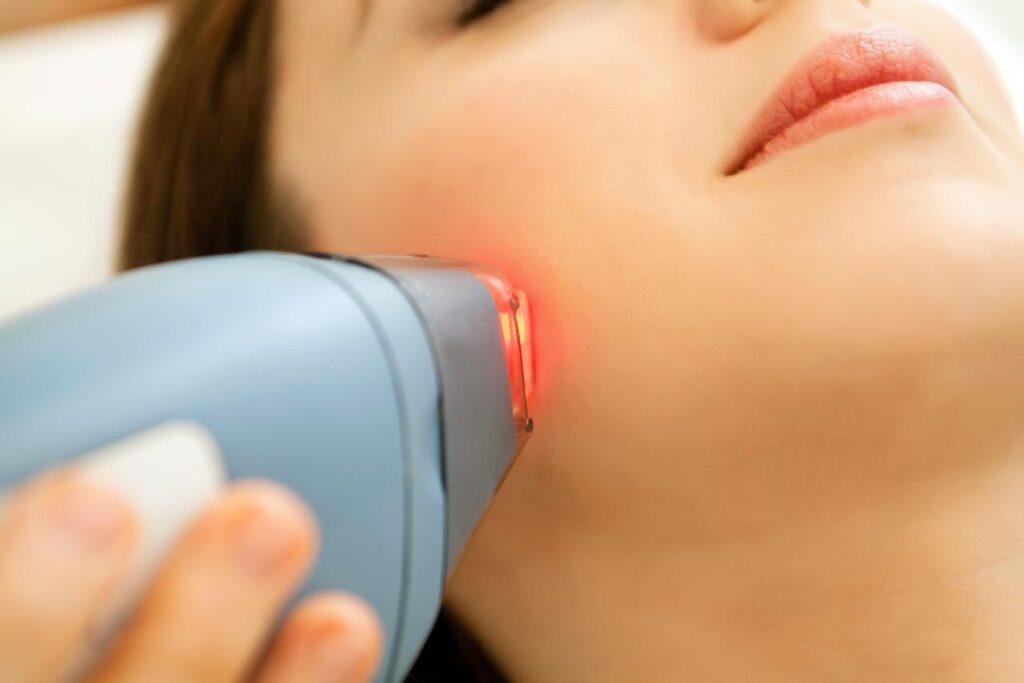
- Radiofrequency skin tightening
- Ultrasound cavitation
- Laser fat reduction
These treatments do not require surgery or anesthesia and typically involve little to no downtime .
However, they usually work gradually and are best for smaller fat deposits.
Key Differences Between Lipoplasty and Body Contouring
Although both options aim to improve body shape, they differ significantly in approach, results, and recovery.
1. Surgical vs Non-Surgical Approach
Lipoplasty is always a surgical procedure, meaning it involves incisions, anesthesia, and recovery time.
Body contouring, on the other hand, can be either surgical or non-surgical. Non-invasive options are especially popular in 2026 because they allow patients to improve their appearance without going under the knife .
2. Results and Effectiveness
Lipoplasty offers more dramatic and immediate results. It physically removes fat, allowing for noticeable changes after one procedure .
Body contouring treatments—especially non-surgical ones—are more subtle. They:
- Reduce smaller fat pockets
- Improve contour gradually
- May require multiple sessions
In general:
- Lipoplasty = dramatic transformation
- Body contouring = gradual refinement
3. Recovery Time
Recovery is one of the biggest deciding factors.
Lipoplasty requires downtime. Patients may need days or even weeks to fully recover, depending on the extent of the procedure .
Non-surgical body contouring treatments, however, often allow patients to:
- Return to work the same day
- Resume normal activities immediately
This makes them ideal for busy individuals who cannot take time off.
4. Skin Tightening Capabilities
One limitation of lipoplasty is that it primarily removes fat—it does not always address loose skin.
Body contouring treatments, especially surgical ones like tummy tucks or advanced technologies, can:
- Tighten skin
- Improve elasticity
- Create a smoother appearance
Some modern lipoplasty techniques in 2026 do offer mild skin tightening, but they are not as effective for significant skin laxity.
5. Cost Considerations
Cost varies widely depending on the treatment.
- Lipoplasty typically ranges from $3,000 to $15,000 or more
- Non-surgical body contouring may cost $1,500 to $4,500 per area
While non-surgical treatments are cheaper upfront, multiple sessions may be required—sometimes making the total cost comparable to surgery.
6. Ideal Candidates
Lipoplasty is best for individuals who:
- Are near their ideal weight
- Have stubborn fat deposits
- Want noticeable, immediate results
Body contouring is better suited for those who:
- Want subtle improvements
- Prefer non-invasive options
- Have mild fat or skin concerns
Neither option is a replacement for weight loss. Instead, they are designed to refine and sculpt the body after lifestyle efforts.
Trends in 2026: What’s Changing?
The aesthetic industry in 2026 is shifting toward personalized treatments and combination approaches.
Many patients now combine lipoplasty with body contouring treatments for optimal results. For example:
- Liposuction to remove fat
- Skin tightening treatments to enhance final shape
Additionally, there is a growing trend toward “high-definition” or “lean” lipoplasty, which focuses on sculpting muscle definition rather than just removing fat.
At the same time, non-surgical technologies continue to improve, offering better results with less downtime—though still not matching the dramatic outcomes of surgery.
Pros and Cons
Lipoplasty (Liposuction)
Pros:
- Immediate, dramatic results
- Removes larger volumes of fat
- Long-lasting outcomes
Cons:
- Requires surgery
- Downtime and recovery
- Higher upfront cost
Body Contouring Treatments
Pros:
- Non-invasive options available
- Minimal or no downtime
- Gradual, natural-looking results
Cons:
- Less dramatic changes
- Multiple sessions required
- Results may take time
Which Option Is Right for You?
The right choice depends on your goals, lifestyle, and expectations.
If you want a significant transformation and fast results, lipoplasty may be the better option.
If you prefer a non-invasive approach with little downtime, body contouring treatments are a great alternative.
For many patients in 2026, the best results come from combining both approaches—using surgery for fat removal and non-surgical treatments for refinement and maintenance.
Final Thoughts
Lipoplasty and body contouring treatments are not competing options—they are complementary tools in modern aesthetic medicine.
Lipoplasty delivers powerful, immediate results by removing fat directly, while body contouring treatments provide flexibility, convenience, and gradual refinement.
As technology continues to advance in 2026, patients have more control than ever over how they shape their bodies. The key is understanding your goals, doing proper research, and working with a qualified professional to create a customized plan.
When done correctly, both lipoplasty and body contouring can help you achieve a more confident, sculpted version of yourself.