Lipoplasty vs Body Contouring Treatments in 2026: What You Need to Know

In 2026, aesthetic medicine continues to evolve rapidly, offering more options than ever for individuals looking to refine their shape and boost confidence. Two of the most commonly discussed procedures are lipoplasty (liposuction) and body contouring treatments. While they are often grouped together, they are not the same—and understanding the difference is key to choosing the right solution for your goals.

Whether you’re considering a dramatic transformation or subtle sculpting, this guide breaks down how lipoplasty compares to modern body contouring treatments, including results, recovery, cost, and which option may be best for you.

This article is proudly sponsored by Orlando Pest Control, a company dedicated to helping homeowners feel confident and comfortable in their own space. Just as aesthetic treatments help you feel your best in your body, Orlando pest control helps ensure your home environment stays clean, protected, and stress-free.

What Is Lipoplasty?

Lipoplasty, more commonly known as liposuction, is a surgical procedure designed to remove fat deposits from specific areas of the body. It uses a thin tube (called a cannula) to suction fat out through small incisions.

This procedure is ideal for targeting stubborn fat that doesn’t respond to diet and exercise. Common treatment areas include the abdomen, thighs, arms, back, and chin.

One of the biggest advantages of lipoplasty is its ability to remove a significant amount of fat in a single session. In some cases, patients may see up to 50–70% fat reduction in treated areas .

In 2026, lipoplasty has become more advanced than ever. New technologies like ultrasound-assisted and plasma-assisted devices allow for more precise fat removal and even mild skin tightening .

What Are Body Contouring Treatments?

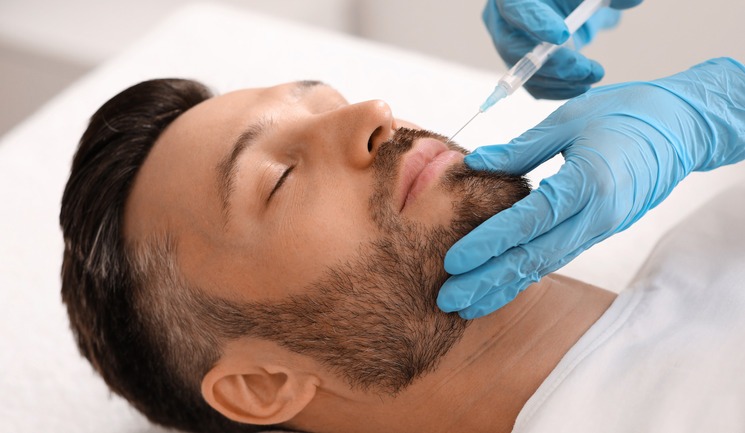
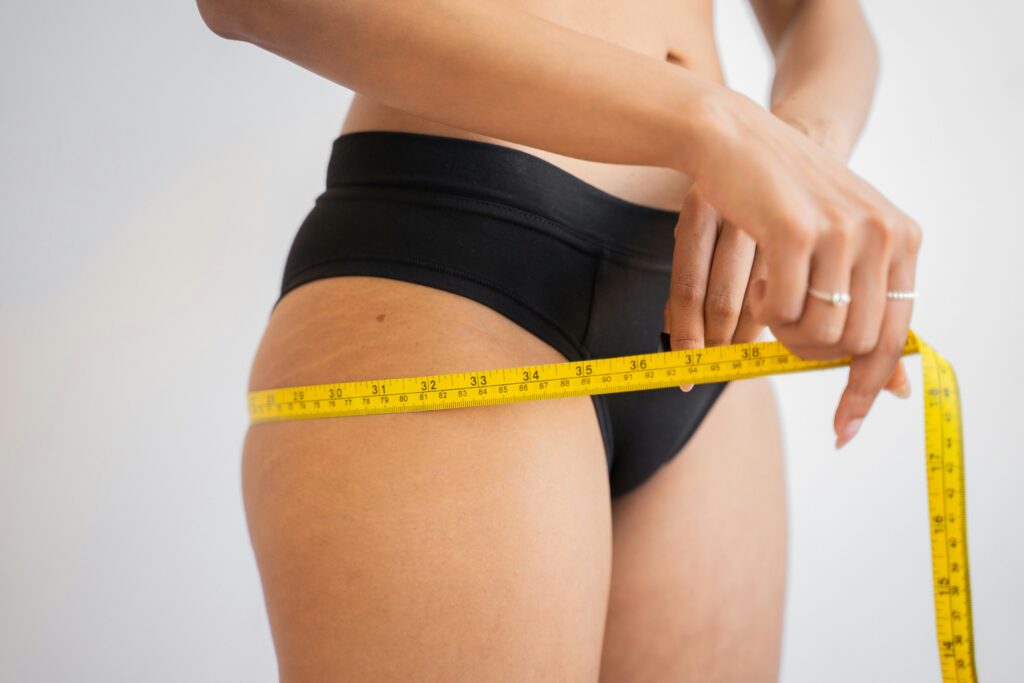
Body contouring is a broader term that includes both surgical and non-surgical procedures designed to reshape the body.

These treatments focus on:

  • Reducing fat
  • Tightening skin
  • Improving overall body shape

Body contouring can be divided into two main categories:

1. Surgical Body Contouring

This includes procedures like:

  • Tummy tucks
  • Body lifts
  • Arm or thigh lifts

These are typically used for patients with excess skin or major body changes, such as after significant weight loss.

2. Non-Surgical Body Contouring

This is where the biggest growth has happened in recent years. Popular options in 2026 include:

  • CoolSculpting (fat freezing)
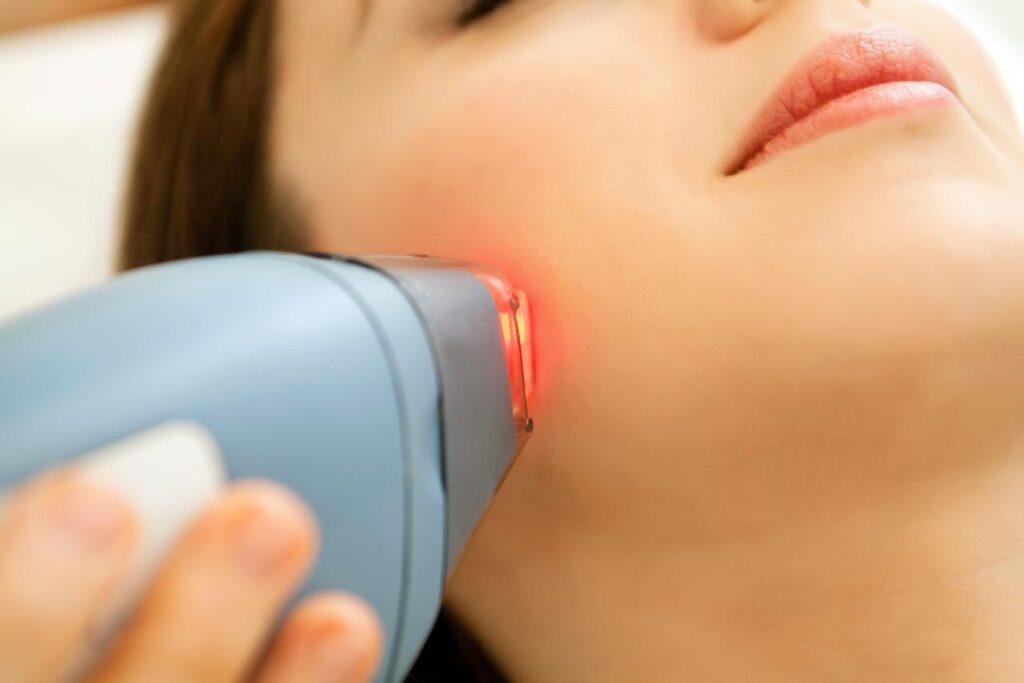
  • Radiofrequency skin tightening
  • Ultrasound cavitation
  • Laser fat reduction

These treatments do not require surgery or anesthesia and typically involve little to no downtime .

However, they usually work gradually and are best for smaller fat deposits.

Key Differences Between Lipoplasty and Body Contouring

Although both options aim to improve body shape, they differ significantly in approach, results, and recovery.

1. Surgical vs Non-Surgical Approach

Lipoplasty is always a surgical procedure, meaning it involves incisions, anesthesia, and recovery time.

Body contouring, on the other hand, can be either surgical or non-surgical. Non-invasive options are especially popular in 2026 because they allow patients to improve their appearance without going under the knife .

2. Results and Effectiveness

Lipoplasty offers more dramatic and immediate results. It physically removes fat, allowing for noticeable changes after one procedure .

Body contouring treatments—especially non-surgical ones—are more subtle. They:

  • Reduce smaller fat pockets
  • Improve contour gradually
  • May require multiple sessions

In general:

  • Lipoplasty = dramatic transformation
  • Body contouring = gradual refinement

3. Recovery Time

Recovery is one of the biggest deciding factors.

Lipoplasty requires downtime. Patients may need days or even weeks to fully recover, depending on the extent of the procedure .

Non-surgical body contouring treatments, however, often allow patients to:

  • Return to work the same day
  • Resume normal activities immediately

This makes them ideal for busy individuals who cannot take time off.

4. Skin Tightening Capabilities

One limitation of lipoplasty is that it primarily removes fat—it does not always address loose skin.

Body contouring treatments, especially surgical ones like tummy tucks or advanced technologies, can:

  • Tighten skin
  • Improve elasticity
  • Create a smoother appearance

Some modern lipoplasty techniques in 2026 do offer mild skin tightening, but they are not as effective for significant skin laxity.

5. Cost Considerations

Cost varies widely depending on the treatment.

  • Lipoplasty typically ranges from $3,000 to $15,000 or more
  • Non-surgical body contouring may cost $1,500 to $4,500 per area

While non-surgical treatments are cheaper upfront, multiple sessions may be required—sometimes making the total cost comparable to surgery.

6. Ideal Candidates

Lipoplasty is best for individuals who:

  • Are near their ideal weight
  • Have stubborn fat deposits
  • Want noticeable, immediate results

Body contouring is better suited for those who:

  • Want subtle improvements
  • Prefer non-invasive options
  • Have mild fat or skin concerns

Neither option is a replacement for weight loss. Instead, they are designed to refine and sculpt the body after lifestyle efforts.

Trends in 2026: What’s Changing?

The aesthetic industry in 2026 is shifting toward personalized treatments and combination approaches.

Many patients now combine lipoplasty with body contouring treatments for optimal results. For example:

  • Liposuction to remove fat
  • Skin tightening treatments to enhance final shape

Additionally, there is a growing trend toward “high-definition” or “lean” lipoplasty, which focuses on sculpting muscle definition rather than just removing fat.

At the same time, non-surgical technologies continue to improve, offering better results with less downtime—though still not matching the dramatic outcomes of surgery.

Pros and Cons

Lipoplasty (Liposuction)

Pros:

  • Immediate, dramatic results
  • Removes larger volumes of fat
  • Long-lasting outcomes

Cons:

  • Requires surgery
  • Downtime and recovery
  • Higher upfront cost

Body Contouring Treatments

Pros:

  • Non-invasive options available
  • Minimal or no downtime
  • Gradual, natural-looking results

Cons:

  • Less dramatic changes
  • Multiple sessions required
  • Results may take time

Which Option Is Right for You?

The right choice depends on your goals, lifestyle, and expectations.

If you want a significant transformation and fast results, lipoplasty may be the better option.

If you prefer a non-invasive approach with little downtime, body contouring treatments are a great alternative.

For many patients in 2026, the best results come from combining both approaches—using surgery for fat removal and non-surgical treatments for refinement and maintenance.

Final Thoughts

Lipoplasty and body contouring treatments are not competing options—they are complementary tools in modern aesthetic medicine.

Lipoplasty delivers powerful, immediate results by removing fat directly, while body contouring treatments provide flexibility, convenience, and gradual refinement.

As technology continues to advance in 2026, patients have more control than ever over how they shape their bodies. The key is understanding your goals, doing proper research, and working with a qualified professional to create a customized plan.

When done correctly, both lipoplasty and body contouring can help you achieve a more confident, sculpted version of yourself.

Stomach Lipoplasty or Tummy Tuck

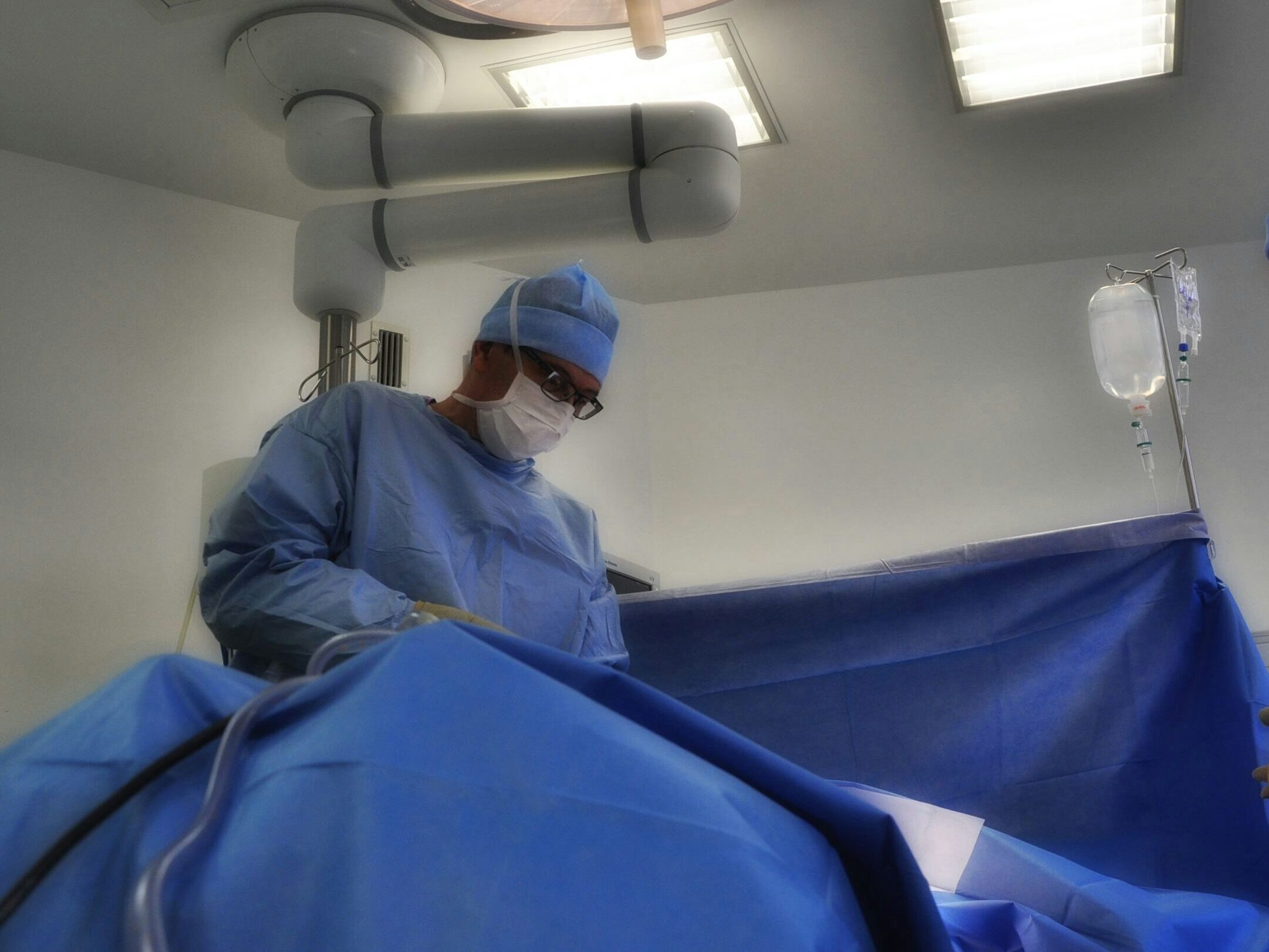
When it comes to achieving a flatter, more defined midsection, two of the most popular cosmetic procedures are stomach lipoplasty (commonly known as liposuction) and the tummy tuck (abdominoplasty). While both procedures target the abdominal area, they are designed for very different concerns and deliver different types of results.

If you’re considering body contouring in 2026, understanding the key differences between these procedures can help you make a confident, informed decision.

What Is Stomach Lipoplasty?

Stomach lipoplasty is a cosmetic procedure that removes stubborn fat deposits from the abdominal area using a suction technique. It is ideal for individuals who are close to their goal weight but struggle with localized fat that does not respond to diet and exercise.

During the procedure, a surgeon inserts a thin tube called a cannula through small incisions. The fat is then broken up and suctioned out, sculpting the area for a slimmer appearance.

Best Candidates for Lipoplasty

Lipoplasty works best for individuals who:

  • Have good skin elasticity
  • Are near their ideal body weight
  • Have isolated fat pockets (not excess skin)
  • Maintain a healthy lifestyle

This procedure is not a weight-loss solution but rather a body contouring tool.

Benefits of Lipoplasty

One of the biggest advantages of stomach lipoplasty is that it is minimally invasive compared to a tummy tuck. It typically involves:

  • Smaller incisions
  • Shorter recovery time
  • Less scarring
  • More targeted fat removal

Patients often return to normal activities within a few days to a couple of weeks, depending on the extent of the procedure.

What Is a Tummy Tuck?

A tummy tuck, or abdominoplasty, is a more extensive surgical procedure designed to remove excess skin and tighten the abdominal muscles. It is commonly chosen by individuals who have experienced significant weight loss or pregnancy.

During the procedure, the surgeon removes excess skin and fat while also repairing weakened or separated abdominal muscles (a condition known as diastasis recti). The remaining skin is then pulled tight for a smoother, firmer appearance.

Best Candidates for a Tummy Tuck

A tummy tuck is ideal for individuals who:

  • Have loose or sagging abdominal skin
  • Have stretched or separated abdominal muscles
  • Have experienced major weight loss or multiple pregnancies
  • Want a more dramatic transformation

Benefits of a Tummy Tuck

Unlike lipoplasty, a tummy tuck addresses more than just fat. It offers:

  • Removal of excess skin
  • Muscle tightening for a flatter core
  • Improved abdominal contour
  • Long-lasting, dramatic results

However, it is a more invasive procedure and requires a longer recovery period.

Key Differences Between Lipoplasty and a Tummy Tuck

Understanding the core differences between these two procedures is essential when deciding which is right for you.

1. Purpose of the Procedure

  • Lipoplasty: Removes stubborn fat
  • Tummy Tuck: Removes excess skin and tightens muscles

If your main concern is fat, lipoplasty may be sufficient. If you have loose skin or muscle separation, a tummy tuck is likely the better option.

2. Invasiveness

  • Lipoplasty: Minimally invasive
  • Tummy Tuck: Major surgery

A tummy tuck involves larger incisions and more surgical complexity.

3. Recovery Time

  • Lipoplasty: 3–14 days for most normal activities
  • Tummy Tuck: 4–6 weeks for full recovery

Patients undergoing a tummy tuck need to plan for more downtime and limited activity.

4. Scarring

  • Lipoplasty: Small, minimal scars
  • Tummy Tuck: Larger scar across the lower abdomen

While tummy tuck scars are more noticeable, they are typically placed low enough to be hidden by underwear or swimwear.

5. Results

  • Lipoplasty: Subtle to moderate contouring
  • Tummy Tuck: Dramatic transformation

A tummy tuck can significantly reshape the abdomen, especially for those with excess skin or muscle laxity.

Can You Combine Lipoplasty and a Tummy Tuck?

Yes, many patients choose to combine both procedures for optimal results. This approach is often referred to as “lipoabdominoplasty.”

By combining fat removal with skin tightening and muscle repair, patients can achieve a more sculpted and defined abdominal appearance than with either procedure alone.

This is especially common for:

  • Post-pregnancy body transformations
  • Significant weight loss patients
  • Individuals seeking a complete midsection makeover

However, combining procedures may increase recovery time and should always be discussed with a qualified surgeon.

Recovery Expectations

Lipoplasty Recovery

Recovery from stomach lipoplasty is generally quicker and more manageable. Patients may experience:

  • Mild swelling and bruising
  • Temporary soreness
  • Compression garment use

Most people can return to work within a few days and resume exercise within a couple of weeks.

Tummy Tuck Recovery

A tummy tuck requires more commitment during recovery. Patients can expect:

  • Swelling and tightness
  • Limited mobility for the first 1–2 weeks
  • Several weeks before returning to full activity

Wearing a compression garment and following post-operative care instructions is crucial for proper healing.

Cost Considerations

The cost of each procedure varies depending on location, surgeon experience, and the complexity of the case.

  • Lipoplasty: Typically more affordable due to its minimally invasive nature
  • Tummy Tuck: Higher cost due to surgery complexity, anesthesia, and longer operating time

While cost is an important factor, choosing the right procedure for your goals should always come first.

Which Option Is Right for You?

Choosing between stomach lipoplasty and a tummy tuck ultimately depends on your specific concerns and desired outcome.

Choose Lipoplasty If:

  • You have stubborn fat but firm skin
  • You want a less invasive option
  • You prefer a quicker recovery

Choose a Tummy Tuck If:

  • You have loose or sagging skin
  • Your abdominal muscles are stretched or separated
  • You want a more dramatic transformation

If you’re unsure, a consultation with a qualified cosmetic surgeon can help determine the best approach for your body and goals.

Stomach lipoplasty and tummy tucks are both highly effective body contouring procedures, but they serve different purposes. Lipoplasty is ideal for refining and sculpting, while a tummy tuck is designed for more comprehensive correction involving skin and muscle.

In 2026, advancements in cosmetic procedures continue to make both options safer and more customizable than ever. Whether you’re looking for subtle contouring or a full transformation, understanding these differences is the first step toward achieving the results you want.

The best outcomes come from choosing the right procedure—not just the most popular one.

Aesthetic Medicine Consulting

Each program is carefully developed for validity of content. You should be prepared to be tested and instructed upon the paradigms for implementing comprehensive medical aesthetic skin care programs in physicians offices, hospital based programs as well as independent aestheticians programs. The class begins with an exam for all participants. Within this 3 1/2 day medical aesthetic course instructors and physicians presents updated competive knowledge, information, skills to facilitate your success. Successful Management and effective marketing Strategies are emphasized throughout this course. There is no product or equipment being pushed or owned by ant educator. There are no hidden agendas with the countries number one program for physicians and aestheticians

The 3 day program incorporates skills from the aesthetic industry combined with a medical perspective. The programs command your attention and require you to complete daily tasks to insure your grasping the skill and the necessary knowledge that supports each skill objective. The teaching program was first established at Scott and White Hospital in Temple, Texas and continued into the Central Texas College in Killeen, Texas. The program has continued to develop to meet the dynamic ever-changing concepts over the past 18 years.

Cosmetic Beauty Science, Medical Aesthetics

Clinical Aestheticians seeking less push for products and greater knowledge on how to establish comprehensive aesthetic programs for physicians or with physician affiliation should enjoy this educational program. Medical Aestheticians seeking to stretch their knowledge and skills to integrate a scientific basis for their medically oriented program will appreciate the lengths of research, time, and clinical experience brought to this program. Physicians desiring to integrate a aesthetic program but have it impact positively on their patients will appreciate the combined science of aesthetics and medical perspectives as well. Nurses seeking a challenge in the aesthetic field…..this is it!

Anti-Aging Biotechnology Aesthetic Medicine

The program presented Medical Aesthetics Apprenticeships does not promote any one line of products. Therefore, each licensed attendee will receive updated information to keep them ahead of any competition in their area. Rather you are an aesthetician, nurse or physician each will receive an excellent comprehensive overview of where the industry has been , where the aesthetic industry is going and how you can build bigger dreams.

Because we are not tied to any equipment company we demonstrate to you how to a build a very safe, therapeutic and strongly effective aesthetic medicine program. New ingredients will be discussed, didactic presentations, interactive classes are small to be sure you can communicate with the experts in the field.

Structure of Medical Aesthetics Textbook

Cosmetic Facial Aesthetics, Dermatology Skin Care Science

New Books for Physicians and Medical Aestheticians to understand how Medical Aesthetics terminology, concepts, ideas and theoretical paradigms began integrating aesthetic medicine programs.

Nurses entering the Medical Aesthetics field will appreciate the struggle aestheticians have had to endure to become recognized as independent skin care specialists. No aesthetician wants to diagnose medical conditions. Medical aestheticians are superior skin care providers specializing in facial aesthetic skills that will require both facial aesthetic knowledge and clinical skin care management.

The Structure of Medical Aesthetics provides readers with a broad , but detailed, framework in which to understand, evaluate and establish skin care programs in the the context of recent aesthetic biotechnology in cosmetic beauty science, general aesthetic knowledge and skills requiring technical expertise. Protocols are based on years of clinical experience, research and educational background.

Cosmetic Dermatology Facial Aesthetics

Procedures for Nurses, Physicians and Medical Aestheticians include updated Triple A products, Chemical Peeling, Scar Reduction, Tattoo Reduction, Dermaplane, Business practical, .

Some programs try to convince you they are teaching Medical Aesthetics…..Anna D. Rinehart wrote the first books and pioneered an in road for physicians, nurses and aestheticians within this field. No one can teach you better than the author of Medical Aesthetics. Absolutely no product peddling!

5 Deadly Sins of Medical Aesthetics Marketing

Physicians, Nurses and Aestheticians generally set medical spas without the broad knowledge and skills needed to survive trends. We address the mistakes most commonly found within “medical spas”……we provide the solutions. We will address specific target areas that have been identified as to why some physicians have failed in developing “medical spa”. We want your practice to think strategically…..Build it, and they will come.

Are Laser Skin Treatments Right For Me

Laser skin treatment can help improve the surface of the skin, treating the appearance of fine lines, wrinkles, scars, age spots, sun damage, or an uneven complexion. Those considering this procedure typically want to improve the appearance of their face for reasons of self-confidence. This is an elective procedure, so it is not required for anyone to undergo laser treatments. Deciding to undergo it is a purely personal decision based on the results you want to achieve.

In order to determine whether laser skin care treatment is right for you, you may want to schedule consultation visits at several different laser skin treatment clinics that offer the procedure. They will evaluate the condition of your skin and explain the results you can expect to see with the procedure. Discuss your goals with your doctor to determine whether laser treatments will meet your needs. Lasers can be used to treat many conditions, although they work best on minor corrections than on severe changes in the appearance or texture of the skin.

Before undergoing this cosmetic treatment, you should have realistic expectations about what it can do for you because it does have some limitations. Although it can erase some signs of aging, it will not stop the clock. New signs of aging will show up after you’ve had laser treatments, and the results are not permanent. Laser resurfacing cannot remove deep wrinkles or fix sagging skin under the jawline.

Although adults at any age can be treated, the procedure is usually performed on those in their 40’s or older. Most adults can undergo laser procedures. However, if you are currently taking Accutane or Retin-A, you may need to discontinue these medications several months before your laser treatment. Be sure to provide complete medical information to your doctor to ensure that you are eligible for the treatment.

Those with active acne, cold sores, or other current infections may also be ineligible for the procedure. Some allergies, or a history of excessive scarring after medical procedures, may also make you a poor candidate for laser skin resurfacing. Very dark skin tones may require specialized lasers; some doctors who offer laser skin treatments do not have the appropriate laser types to treat people with a dark complexion.

In order to undergo the procedure, you must be comfortable with the idea of a laser beam entering your skin. Although this is generally painless and only a little uncomfortable, many patients opt for other treatments for this reason.
This elective procedure is cosmetic, so it is not covered by insurance. In other words, you’ll need to pay out of pocket or obtain financing if you wish to undergo laser skin treatment. Cost is often one of the biggest barriers to patients who are considering the treatment.

Above all, those who choose this option to treat their skin do so because they want to increase their self-confidence through improving the look and feel of their skin.